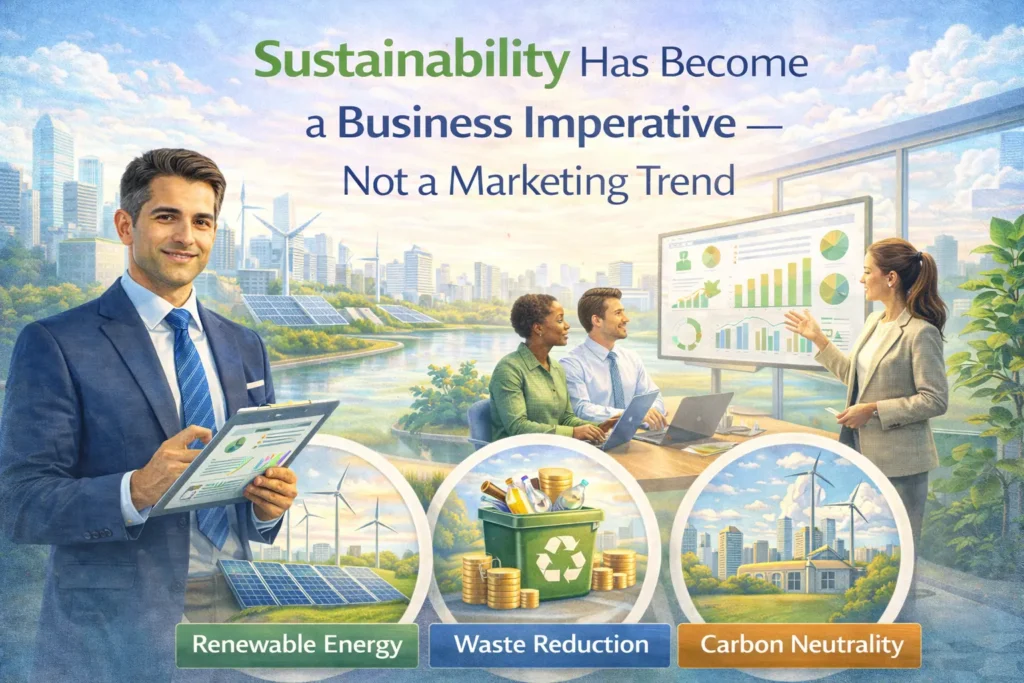
Just a few years ago, sustainability was largely seen as a branding initiative. Today, it is a core operational and financial strategy for Canadian small and medium-sized enterprises (SMEs).
Across construction, transport, agriculture, manufacturing, logistics, food processing, retail distribution, and professional services, sustainability is being driven by:
- Rising carbon taxes
- Fuel price volatility
- New municipal and provincial emissions mandates
- Corporate ESG reporting requirements
- Investor pressure
- Government incentive programs
- Customer preference for low-impact suppliers
Canadian SMEs are now asking a decisive question:
Is it finally time to go eco-friendly with our equipment, fleet, and infrastructure — and can we afford it?
The answer is yes — if the transition is financed smartly through green leasing and sustainable equipment financing.
This guide breaks down:
- What green leasing actually means
- Which sustainable assets qualify
- How financing structures absorb the high upfront costs
- Why 2025–2028 is the perfect window for adoption
- How Canadian SMEs can transition without breaking cash flow
What Is Green Leasing and Sustainable Equipment Financing?
Green leasing refers to financing programs specifically structured for environmentally sustainable assets. These include:
- Electric vehicles (EVs) and low-emission fleets
- Charging infrastructure
- Energy-efficient manufacturing equipment
- Solar, battery storage & renewable systems
- Smart HVAC & building automation
- Low-energy cold-storage and refrigeration
- Precision agriculture & conservation machinery
- Water-efficiency and waste-reduction systems
Unlike conventional leasing, green leasing often integrates:
- Government incentives directly into payment structures
- Lower effective interest rates
- Longer amortization windows
- Residual-value protection based on sustainability classification
- Clean-technology risk buffers
This financial engineering makes previously expensive eco-friendly equipment financially accessible for SMEs.
Why Green Equipment Adoption Has Accelerated Across Canada
Several powerful forces are accelerating green adoption nationwide.
1. Carbon Pricing Is Now a Long-Term Reality
Canada’s carbon tax framework continues to expand. For businesses that operate:
- Fleets
- Heavy equipment
- Fuel-intensive machinery
- Refrigeration and HVAC
- Industrial processing systems
Operating costs rise year after year. Moving toward efficient or electric systems permanently reduces exposure to escalating carbon charges.
2. Fuel Volatility Has Destabilized Operating Budgets
Diesel and gasoline price spikes over the last few years have destroyed predictable budgeting for many SMEs. EV and energy-efficient equipment replace volatile fuel exposure with stable electricity-based cost models.
3. ESG Compliance Is Now Embedded in Supply Chains
Large corporations, government agencies, and developers increasingly require subcontractors and suppliers to demonstrate:
- Environmental impact controls
- Emissions reductions
- Energy-efficiency reporting
- Sustainability certifications
Without green equipment and documented sustainability practices, SMEs risk being excluded from higher-value contracts.
4. Clean-Technology Incentives Have Reached Peak Accessibility
Between federal, provincial, municipal, and utility programs, the 2025–2028 window offers the most aggressive clean-equipment incentive alignment Canada has ever seen.
The Biggest Green Equipment Categories Being Financed Through Leasing
1. Electric & Low-Emission Commercial Fleets
- Delivery vans
- Box trucks
- Service vehicles
- Municipal utility vehicles
- Transit and shuttle systems
Fleet electrification alone delivers:
- Fuel cost reduction
- Lower maintenance
- Lower noise exposure
- Emission compliance
- Higher brand value
2. Charging Infrastructure & Power Upgrades
- Level 2 and DC fast chargers
- Depot charging systems
- Grid integration
- Load management software
- Battery storage
These systems are now routinely bundled into green leasing structures.
3. Energy-Efficient Manufacturing & Processing Equipment
- Variable-speed motors
- Smart compressors
- High-efficiency ovens
- Automated packaging systems
- Low-energy refrigeration
These assets reduce both energy bills and carbon exposure.
4. Sustainable Construction & Industrial Machinery
- Hybrid excavators
- Battery-assisted cranes
- Electric lifts and compactors
- Emission-controlled generators
Urban projects increasingly require this equipment for permitting compliance.
5. Precision Agriculture & Conservation Equipment
- GPS-guided tractors
- Smart irrigation
- Soil-health monitoring
- Energy-efficient greenhouse systems
- Low-impact harvesting equipment
Sustainability is now directly tied to long-term farm profitability.
The Biggest Barrier to Going Green: Upfront Capital
Despite long-term savings, green equipment often has:
- Higher upfront acquisition costs
- Infrastructure-build requirements
- Long installation timelines
This is exactly why green leasing exists — to remove the upfront capital barrier while allowing SMEs to benefit from sustainability immediately.
How Green Leasing Transforms the Economics of Sustainability
Green leasing restructures sustainability into an operational cost model instead of a capital burden.
It allows businesses to:
- Avoid heavy upfront purchases
- Align payments with monthly savings
- Offset lease costs with fuel and energy savings
- Capture incentives immediately
- Preserve capital for core growth
Instead of asking, “Can we afford this?” businesses ask, “Can we afford not to transition?”
The Financial Case for Green Leasing in Canada
Sustainable equipment delivers three financial levers simultaneously:
- Direct Operating Cost Reduction
Fuel, utilities, and maintenance decrease immediately. - Tax Efficiency
Lease payments generally remain tax-deductible as operating expenses. - Incentive Offsets
Government rebates directly lower effective monthly costs.
Combined, many green leasing programs now operate at net-neutral or even cash-positive monthly economics.
How Government Programs Strengthen Green Leasing Deals
While incentives vary by jurisdiction, common support includes:
- EV purchase and leasing rebates
- Infrastructure installation grants
- Energy-efficiency tax credits
- Clean-technology adoption grants
- Agricultural sustainability funding
- Municipal low-emission fleet incentives
In many cases, these incentives are now applied directly at the financing level, reducing payments from day one rather than months later.
Green Leasing vs Traditional Equipment Financing
| Factor | Traditional Financing | Green Leasing |
| Upfront Cost | High | Low |
| Incentive Integration | Delayed | Immediate |
| Carbon Liability | Full | Reduced |
| Energy Cost Volatility | High | Low |
| Tech Obsolescence Risk | Borrower | Shared |
| ESG Compliance | Optional | Embedded |
| Long-Term Resale Risk | High | Lower |
How Green Leasing Improves Competitive Positioning
Eco-friendly businesses increasingly win:
- Government contracts
- Municipal tenders
- Infrastructure projects
- Corporate supplier partnerships
- Export-driven agreements
Sustainability is no longer just cost control — it is market access insurance.
Industry-Specific Green Leasing Impact
Transport & Logistics
EV fleets drastically stabilize cost per kilometre while ensuring long-term urban access compliance.
Construction
Low-emission equipment enables work in emission-restricted urban environments.
Manufacturing
Energy-efficient production systems protect margins against rising utility pricing.
Agriculture
Precision and conservation machinery protect soil, reduce inputs, and improve long-term yield.
Food & Cold Storage
Low-energy refrigeration preserves margins while meeting food safety energy standards.
The Risk of Delaying Green Adoption
SMEs that postpone sustainability face:
- Rising non-compliance costs
- Fuel volatility exposure
- Contract disqualification
- Lower supplier ranking
- Higher insurance premiums
- Stranded equipment risk
What feels like “delaying cost” today often becomes forced, expensive compliance tomorrow.
When Green Leasing Makes the Most Sense
Green leasing is most powerful when:
- Fuel-intensive operations dominate
- Energy costs represent a major operating expense
- Long-term urban regulatory exposure exists
- ESG reporting affects contract eligibility
- Rapid technology upgrades are expected
- Carbon offsets threaten profitability
Common Green Financing Mistakes to Avoid
- Buying green equipment outright without incentive mapping
- Underestimating infrastructure integration costs
- Ignoring residual-value impact of battery technology
- Waiting until compliance deadlines force rushed purchases
- Not bundling chargers and equipment into one financing plan
The 2025–2028 Outlook for Sustainable Financing in Canada
The next three years will be defined by:
- EV fleet acceleration
- Carbon-aligned lending expansion
- Municipal emissions mandates
- Battery cost normalization
- Energy-efficiency automation adoption
- Clean-technology export growth
Businesses that transition early lock in:
- Lower financing costs
- Higher incentive capture
- Stronger compliance readiness
- Competitive brand differentiation
Frequently Asked Questions (FAQs)
Is green leasing more expensive than regular leasing?
No. When incentives and operating savings are included, green leasing is often cost-equal or cheaper.
Can small businesses qualify for green equipment financing?
Yes. Many green programs focus on asset value and cash flow, not just deep credit history.
Can chargers and EV infrastructure be financed together with vehicles?
Yes. Bundled green leasing programs now routinely include EVs + charging systems + installation.
Does green equipment really lower insurance and maintenance costs?
Yes. EV and energy-efficient equipment typically deliver lower moving-part failure rates, reducing long-term risk.
Are government incentives guaranteed?
Incentives are subject to availability and compliance eligibility. Proper financing planning ensures maximum capture.
Final Takeaway for Canadian SMEs
Sustainability is no longer optional. It is now:
- A cost-control strategy
- A compliance necessity
- A contract-qualification requirement
- A brand-equity accelerator
- A long-term profitability stabilizer
Green leasing transforms eco-friendly investment from a cash-intensive gamble into a financially disciplined growth strategy.
Call to Action (CTA)
If your business is exploring EV fleets, energy-efficient equipment, low-emission construction machinery, or sustainable infrastructure upgrades, expert green-financing structure ensures your transition is profitable from day one.
Sandhu & Sran Leasing & Financing helps Canadian SMEs:
- Finance EV fleets and charging infrastructure
- Structure clean-technology equipment leasing
- Integrate government green incentives into financing
- Adopt energy-efficient manufacturing systems
- Transition into sustainable agriculture and food processing
- Secure approvals even with limited credit history
👉 Start your green transition strategy today:
https://www.sandhusranleasing.com